

Voluntary Return Of Displaced Persons And Refugees
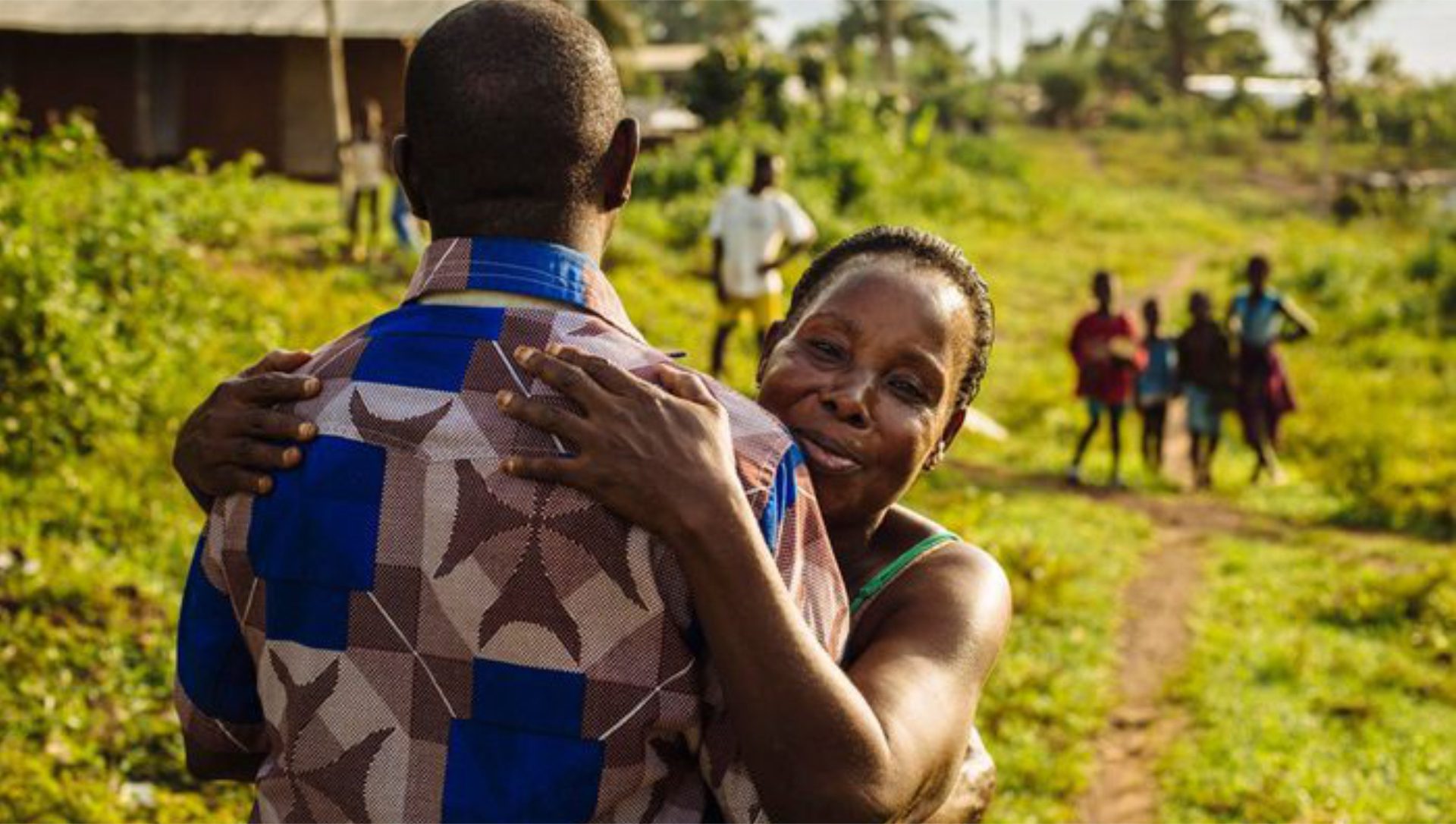
Voluntary Return Of Displaced Persons And Refugees
The “Voluntary Return of Displaced Persons and Refugees” course offers an in-depth exploration of the principles, policies, and practices surrounding the voluntary repatriation of individuals who have been displaced due to conflicts, natural disasters, or other crises.
This course is designed to equip participants with comprehensive knowledge of international frameworks, ethical considerations, and operational strategies that govern the voluntary return process, ensuring dignity, safety, and sustainability for returnees.
WHO SHOULD ATTEND?
Humanitarian workers | Government officials | NGO staff
Social workers | Anyone interested in supporting displaced persons and refugees
Course Objectives
1. Understanding Key Concepts:
Gain a thorough understanding of the concepts of displacement, asylum, and voluntary return, as well as the distinctions between refugees and internally displaced persons.
2.International Legal Frameworks:
Study the relevant international laws, conventions, and agreements, including the 1951 Refugee Convention and its 1967 Protocol, that guide the voluntary return process.
3.Ethical Considerations:
Analyze the ethical implications of voluntary return programs, emphasizing the importance of free, informed, and voluntary decisions by those affected.
4.Case Studies:
Examine real-world case studies to understand the complexities and diverse challenges faced during the voluntary return process.
5.Stakeholder Roles and Responsibilities:
Identify and assess the roles of various stakeholders, including international organizations, governments, NGOs, and local communities, in facilitating voluntary return.
6.Operational Mechanisms:
Explore the practical aspects of planning, coordinating, and implementing voluntary return operations, including transport logistics, reintegration support, and monitoring.
7.Challenges and Solutions:
Critically evaluate the obstacles and barriers to successful voluntary return and discuss potential solutions and best practices.
Course Format
The course combines lectures, interactive discussions, case study analyses, and practical exercises. Guest speakers from international organizations and field practitioners will provide real-world insights and experiences. Participants will engage in group projects, role-playing simulations, and develop a strategic plan for a hypothetical voluntary return operation.
Course Outline
Introduction to Displacement and Humanitarian Response
-
- Overview of displaced persons and refugees
- Causes and consequences of displacement
- Introduction to humanitarian response principles
Legal Frameworks and Policies
-
- International and regional legal instruments (e.g., 1951 Refugee Convention)
- National legislation and policies on return
- The principle of non-refoulement
Voluntary Return Principles
-
- Definition and principles of voluntary return
- Conditions for voluntary return
- The role of the United Nations High Commissioner for Refugees (UNHCR)
Stakeholders in Voluntary Return
-
- Roles of UN agencies, NGOs, and host governments
- Coordination mechanisms among stakeholders
- Case studies of stakeholder collaborations
Pre-Return Considerations
-
- Assessing the safety and feasibility of return
- Information dissemination and counselling for potential returnees
- The importance of informed decisions
Logistics and Planning
-
- Planning and organizing return movements
- Transportation logistics and security considerations
- Health and psychosocial support during return
Reintegration Processes
-
- Economic and social reintegration strategies
- Housing, land, and property rights issues
- Education and livelihood programs for returnees
Monitoring and Evaluation
-
- Monitoring returnees’ safety and well-being
- Evaluation of return and reintegration programs
- Accountability and the role of feedback mechanisms
Case Studies and Best Practices
-
- Successful voluntary return programs
- Challenges and lessons learned from failed initiatives
- Comparative analysis of different geographic regions
The Future of Voluntary Return
-
- Emerging trends in displacement and return
- The impact of global events (e.g., pandemics, climate change)
- Innovations and future directions in voluntary return programs
Event Coordinated by BASA TrainingYou can also visit our Online Courses Website Excel Elearning
You can also get an affordable ebook on ebooksnest.com